

 Verified Tutor

What do I enjoy most about tutoring? 😁
The fact that I can contribute in my student's success. I can understand theat feeling when you finally feel confident with a concept. Your self-esteem skyrockets. If I can help my students feel that way, I will feel extremely satisfied.My Strengths as Tutor 💪
My biggest strength is active listening. I am able to patiently listen to and understand my student's queries and respond to them appropriately. Apart from this I have high levels of proficiency in my subject matter.Most important things I can do for a student 🏅
I believe a tutor should strive to build a genuine connection with my student so that they feel the most comfortable with their studies and can achieve their best results.Tutoring students in 👦 👧
- year 2
- year 3
- year 4
- year 5
- year 6
- year 7
- year 8
- year 9
- year 10
- year 11
- year 12
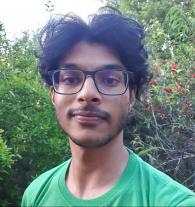
About Shlok
High-achieving maths and physics mentor
Shlok is a high-achieving recent graduate with strong results in General Maths, Maths Methods and Physics, placing him in the top range of students academically. He brings a clear, step-by-step approach to explaining concepts and focuses on building deep understanding rather than rote learning. This tutor is comfortable using digital tools to create practice questions, share resources and track progress, making it easy for parents to see how their child is improving over time.
Real tutoring experience with younger students
Shlok has hands-on experience tutoring Year 4 maths to underprivileged students through a school-based initiative, so he already understands how to adjust explanations for younger learners and different ability levels. He uses active listening, patience and empathy to build rapport, then encourages students to talk through their thinking so he can spot gaps early. Parents can expect a tutor who is calm, organised and able to turn tricky topics into manageable, confidence-building steps.
Leadership, clubs and engaging lesson style
Beyond the classroom, Shlok has led clubs such as Chess, Astronomy, Meditation and a cultural club, as well as guiding backstage teams for school productions. These roles show his ability to manage groups, give clear instructions and make activities enjoyable and structured. He often draws on interests like chess and science to create engaging examples in lessons, helping students see patterns, think logically and stay curious. This tutor aims to make learning feel both achievable and genuinely interesting.








Recent Tutoring Comments:
Harish was much confident with Chapter 5 content
Harish was much confident with Chapter 5 content
Harish needs to start doing practice exams.
Harish was confident with the content and the concepts
Harish was confident with the content and the concepts
Harish needs to start doing practice exams
Harish was much more confident with finance related questions
Harish was much more confident with finance related questions
Harish needs to practice doing more exam-style questions.
Thomas was doing well with exponential and logarithmic functions
Thomas was doing well with exponential and logarithmic functions
Thomas was struggling with circular functions