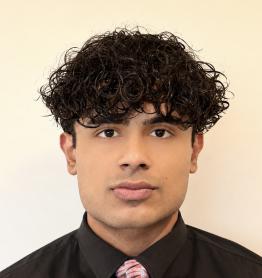
 Verified Tutor
What do I enjoy most about tutoring? 😁
What I enjoy most about tutoring is seeing a student gradually understand something they initially struggled with. I find it really rewarding when a student becomes more confident in their own abilities and starts to enjoy a subject more. I also like getting to know how different students learn and finding ways to explain concepts that make sense to them individually.My Strengths as Tutor 💪
I think my main strengths are patience, communication and adaptability. I understand that students learn at different speeds, so I am happy to explain a concept in several different ways until it makes sense. I am approachable and encouraging, and I try to create an environment where students feel comfortable asking questions and making mistakes. I am also very willing to learn and improve my own tutoring methods.Most important things I can do for a student 🏅
I think one of the most important things a tutor can do is help a student become confident and independent in their learning. Rather than simply giving them answers, a tutor should help them understand the reasoning behind concepts and develop strategies they can use on their own. It is also important to be patient, recognise each student’s individual needs, and create a supportive environment where they feel comfortable asking questions and challenging themselves.Subjects Tutored 🎓
- Chemistry tutoring in Melbourne
- Maths tutoring in Melbourne
- Biology tutoring in Melbourne
- Science tutoring in Melbourne
- English tutoring in Melbourne
Exam Prep 📝
- Naplan tutoring
- VCE tutoring
Tutoring students in 👦 👧
- year 1
- year 2
- year 3
- year 4
- year 5
- year 6
- year 7
- year 8
- year 9
- year 10
- year 11
- year 12
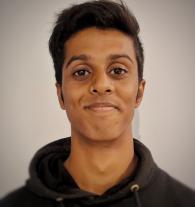
About Duksha
A bit about me
I'm a Bachelor of Science student at Monash University, majoring in physiology. I've always been drawn to the subjects that ask you to work something out rather than just remember it, and that's a big part of why I enjoy tutoring. Outside of study I work as a medical receptionist, and my degree is delivered online, which means I have a lot of flexibility around when I can take lessons.
How I teach
I like to find out how a student is thinking before I start explaining, because the same wrong answer can come from completely different places. Once I know where the confusion actually sits, I can explain it in a way that connects to what they already understand. Alongside that, I believe in the traditional methods, because they work. I set homework after every lesson and check it at the start of the next one, I use plenty of practice questions and past papers, and I run problems under timed conditions so students get used to working under pressure rather than meeting it for the first time in an exam. Repetition and regular testing are how the content actually sticks. I'm patient and easy to ask questions of, which matters most for students who've decided they're not good at a subject, but I also expect them to put the work in between lessons.
Why I tutor
Most students who tell me they're bad at a subject aren't. What's usually happened is that one thing went past them a year or two earlier, and everything built on top of it has felt shaky ever since. They've concluded they're just not good at it when really they're missing one piece. Finding that piece and watching a student realise the problem was never their ability is the part of tutoring I actually care about. I've taught before, working with primary students across a range of age groups in India, and I've volunteered in clinical settings where explaining things clearly to people who are anxious is most of the job. Both taught me the same thing: how well someone understands you depends far more on how you explain it than on how capable they are.